
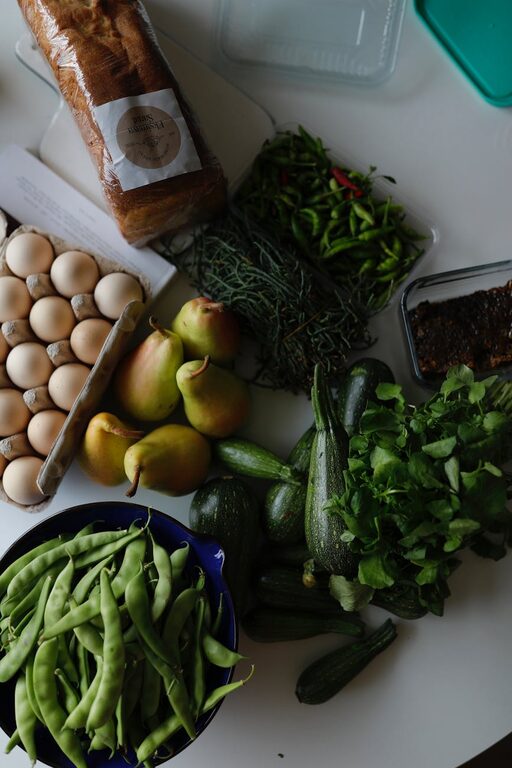
Planning meals from pantry staples is a smart way to save time, reduce grocery bills, and avoid food waste. Whether you’ve been stocking up for convenience or want to prepare for unpredictable days, your pantry can be a treasure trove of ingredients ready to create wholesome, satisfying meals. This post will guide you through how to effectively plan meals using what you already have on hand, focusing on organization, creativity, and balanced nutrition.
Why Plan Meals from Pantry Staples?
Pantry staples are non-perishable or long-lasting items like dried beans, rice, canned tomatoes, pasta, and spices. These ingredients allow you to whip up meals even when fresh groceries aren’t available. Planning meals with pantry staples:
– Saves money by reducing last-minute grocery runs
– Helps minimize food waste by using what you already own
– Encourages creative cooking and trying new recipes
– Provides convenience and reduces mealtime stress
Step 1: Take Inventory of Your Pantry
Before planning any meals, get to know your pantry inside and out. This will prevent overbuying and inspire meal ideas.
– Empty shelves: Take everything out if needed to see what you truly have.
– Make a list: Write down every item, including quantities and expiration dates.
– Group similar items: For example, all canned beans together, all grains together.
– Check your freezer and fridge: Include frozen staples like vegetables, meat, or sauces.
This clear picture will be the foundation of your meal planning.
Step 2: Identify Core Staples and Pairings
Most pantries contain some basic staples that serve as the foundation of many meals. Examples include:
– Grains: rice, quinoa, pasta, couscous, oats
– Legumes: canned or dried beans, lentils, chickpeas
– Canned goods: tomatoes, coconut milk, vegetables, broth
– Baking essentials: flour, sugar, baking powder
– Oils and vinegars: olive oil, vegetable oil, apple cider vinegar
– Spices and herbs: salt, pepper, garlic powder, cumin, basil, etc.
When you know what staples you have, think about how they can be combined. For instance, rice plus canned tomatoes and beans can become a hearty rice bowl; pasta plus canned mushrooms and olive oil is a quick dinner.
Step 3: Plan Balanced Meals
While pantry staples give you versatility, aim for meals that have a good balance of:
– Carbohydrates: grains, pasta, or starchy vegetables
– Protein: beans, lentils, canned fish, nuts
– Vegetables: canned, frozen, or fresh if available
– Healthy fats: oils, nuts, seeds, avocado when possible
You can create balanced plates by mixing and matching these groups.
Step 4: Choose Recipes and Meal Ideas
Here are some simple, flexible meal ideas using common pantry staples:
1. One-Pot Bean Chili
– Staples: canned beans, canned tomatoes, spices (chili powder, cumin), onions (fresh or dried)
– Optional: frozen corn or bell peppers
Sauté onions and spices, add beans and tomatoes, simmer until flavors meld. Serve with rice or bread.
2. Pasta with Garlic and Olive Oil (Aglio e Olio)
– Staples: pasta, olive oil, garlic powder or fresh garlic, red pepper flakes, dried parsley
Cook pasta, toss with garlic-infused olive oil, season with salt and pepper. Add canned mushrooms or spinach for extra nutrients.
3. Lentil Soup
– Staples: dried lentils, vegetable broth (cube or liquid), canned tomatoes, carrots, onions
Simmer all ingredients until lentils are tender. Season well. Serve with crusty bread.
4. Rice and Beans Bowl
– Staples: rice, canned black beans, canned corn, salsa or canned tomatoes
Cook rice, heat beans and corn, top with salsa or tomatoes. Add spices or avocado if available.
5. Chickpea Curry
– Staples: canned chickpeas, coconut milk, curry powder, canned tomatoes, rice
Combine chickpeas, coconut milk, and tomatoes with curry powder in a saucepan, simmer and serve over rice.
Step 5: Create Your Weekly Meal Plan
With the recipes in mind, build a weekly meal plan based on what you have:
– Allocate staples according to meals (e.g., cooking half a bag of rice now and saving the rest)
– Include flexible days for leftovers or quick snacks
– Note ingredients you might need to buy or replenish
Meal planning helps reduce decision fatigue and makes grocery shopping more efficient.
Step 6: Stock Up Strategically for Your Pantry
After planning meals, identify which staples you need more of or want to have on hand for future meals.
– Choose versatile ingredients you enjoy
– Don’t forget flavor boosters like herbs, spices, and condiments
– Store items properly in airtight containers to extend shelf life
– Regularly rotate items to use older staples first
Tips for Success
– Keep a running list of what staples are low or out
– Organize your pantry with clear labels or containers to easily spot what you need
– Experiment with international recipes that rely on long-lasting pantry items
– Use online resources and apps for recipe inspiration based on pantry contents
Conclusion
Planning meals from pantry staples is a practical skill that benefits your wallet, time management, and cooking skills. By inventorying your pantry, pairing ingredients thoughtfully, balancing meals, and organizing your plan, you’ll find it easier to create satisfying dishes with what you already have. This approach reduces stress during busy weeks and helps you make the most of your food resources.
Start today by taking a look inside your pantry—you might be surprised at the delicious meals just waiting to be made!