
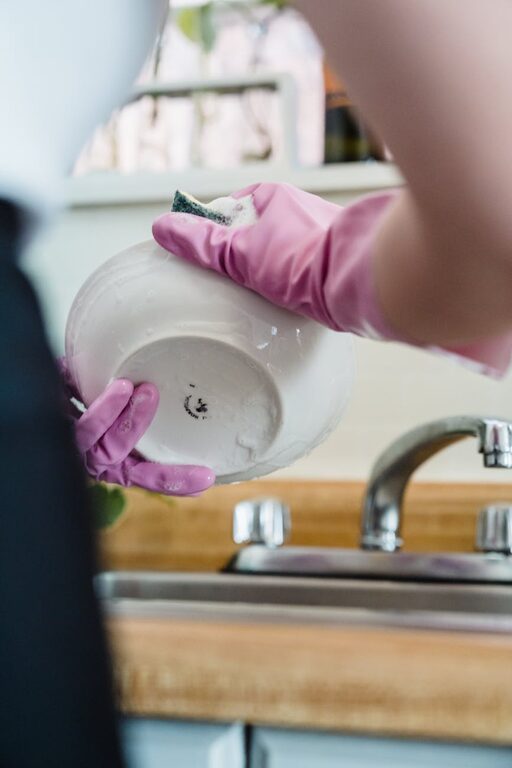
Cleaning up after dinner can often feel like a daunting task, especially after a long day. Fortunately, with a few smart strategies and small habits, you can make the process quicker and less stressful. In this post, we’ll explore easy ideas to simplify your dinner cleanup routine, helping you spend less time in the kitchen and more time doing what you enjoy.
Plan Ahead for Easier Cleanup
Planning doesn’t stop once you start cooking. Preparing for cleanup before or during cooking can save you time afterward.
Use Fewer Dishes
One of the best ways to reduce cleanup is minimizing the number of dishes you use. Consider meals that can be cooked in one pot or pan, such as stir-fries, sheet pan dinners, or casseroles. Less cookware means fewer things to wash up.
Gather Supplies Early
Before you begin cooking, set up your sink with warm, soapy water or fill the dishwasher if you use one. Having cleaning supplies ready makes it easier to wash utensils or rinse ingredients as you go, preventing a pileup later.
Clean as You Cook
Rather than waiting until after the meal to start cleaning, adopt a “clean as you go” mindset.
Wash Utensils and Bowls Right Away
When you finish using a bowl or utensil, rinse or wash it immediately. This prevents food from drying and sticking, which can make washing harder later.
Wipe Counters and Surfaces Frequently
Spills and crumbs are easier to manage if wiped promptly. Keeping your workspace tidy also helps you avoid a messy cleanup at the end.
Organize Your Cooking Space
An organized kitchen allows you to work more efficiently and reduces cleanup stress.
Use Containers for Ingredients
Using small containers or bowls for chopped ingredients can keep your prep area clean and prevent spills.
Keep Trash and Compost Nearby
Place a trash bin or compost container within arm’s reach while cooking. Disposing of scraps and packaging immediately cuts down on clutter.
Smart Dining Tips to Cut Down Cleanup
The way you serve and eat meals can impact cleanup time as well.
Serve Family-Style
Rather than plating individual portions, place dishes on the table for everyone to serve themselves. This reduces the number of plates to wash.
Use Microwave-Safe or Dishwasher-Safe Containers
When possible, serve side dishes or leftovers in containers that can go directly into the microwave or dishwasher. This limits the number of dishes needing handwashing.
Develop a Quick Post-Dinner Cleanup Routine
Once dinner is over, a structured cleanup can make the process less overwhelming.
Clear the Table Promptly
Encourage everyone to clear their plates and cups immediately after eating. This prevents dishes from piling up and helps you start washing sooner.
Start with Soaking
For pots, pans, or dishes with stuck-on food, fill them with hot, soapy water and let them soak. Soaking loosens food residue, making washing easier and faster.
Use a Dishwasher Efficiently
If you have a dishwasher, make sure to load it efficiently by grouping similar items and avoiding overcrowding. Run it when full to save water and energy, and unload it promptly so clean dishes don’t pile up.
Maintain Your Kitchen Tools and Appliances
Keeping your cleaning tools in good shape helps the job go faster.
Replace Sponges Regularly
Old sponges can become ineffective or harbor bacteria. Swap them out every couple of weeks or use alternatives like dish brushes which dry faster and last longer.
Keep Your Sink and Disposal Clean
Regularly clean your sink and garbage disposal to prevent odors and keep your kitchen fresh.
Consider Time-Saving Cleaning Products
There are various products designed to make kitchen cleanup easier.
Non-Stick Cookware
Using non-stick pots and pans means food is less likely to stick, reducing scrubbing time.
Disposable Liners and Aluminum Foil
Lining baking sheets with foil or using parchment paper can help avoid scrubbing. Similarly, silicone mats are reusable alternatives that simplify cleanup.
Involve the Whole Family
If you share your home with others, dividing cleaning tasks can make dinner cleanup quicker and foster teamwork.
Assign Simple Tasks
Even young children can help clear the table or rinse dishes. Assign age-appropriate tasks that contribute to the cleanup process.
Make it Fun
Playing music or turning cleanup into a small game can encourage participation and make the process less of a chore.
Conclusion
Dinner cleanup doesn’t have to be a time-consuming or unpleasant experience. By planning ahead, cleaning as you cook, organizing your workspace, and involving others, you can significantly reduce the time spent on tidying up after meals. Implementing some of these ideas can lead to a smoother kitchen routine, leaving you with more free time and a cleaner space. Give these tips a try and make dinner cleanup a breeze!